Elevate Your Creative Workflow with Football Pattern Texture
In the diverse world of digital design assets, a specific graphic element can serve as a powerful catalyst for creativity across numerous projects. The Football Pattern Texture, a high-resolution, seamless digital graphic, exemplifies this principle. It is not merely a static image, but a versatile foundational asset that integrates into a designer's or creator's workflow, enabling consistent, professional results from concept to final product.
Understanding the Asset: Beyond a Simple Graphic
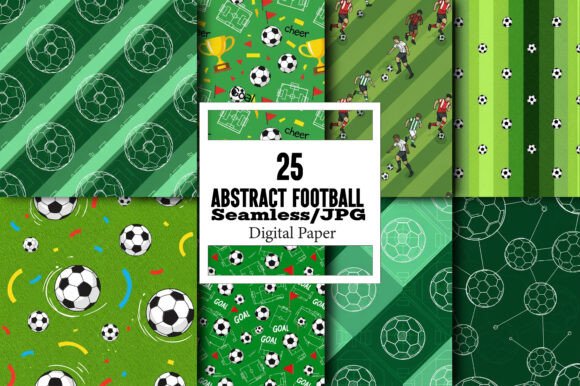
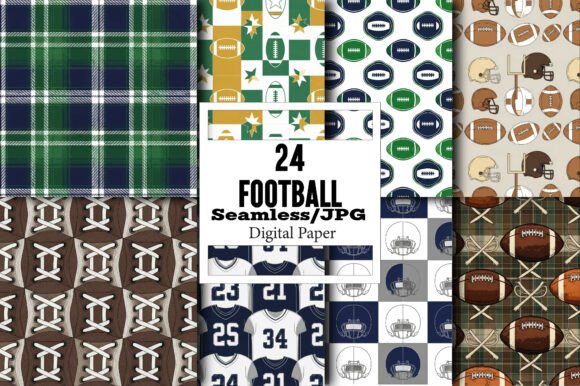
A Football Pattern Texture is a digitally created pattern, typically featuring the iconic grid and shape motifs associated with a football (soccer ball). Its seamless nature means the pattern can be repeated infinitely without visible breaks, creating a continuous, professional-looking background or overlay. Provided in JPG format at 300 DPI, it meets the technical requirements for both digital display and high-quality physical printing. This technical foundation is crucial, as it determines the asset's compatibility and usability within your broader creative process.
Receiving this asset as an instant digital download without a watermark is the first step in your workflow. It grants immediate ownership and the flexibility to resize the dimensions to suit the specific requirements of your project—a fundamental advantage over rigid, pre-sized templates. This adaptability makes the Football Pattern Texture a core resource, rather than a one-off solution.
Integration into Project Planning and Execution
The true value of this texture emerges when viewed as a component within a larger creative or business system. Its application spans phases from initial ideation to final manufacturing and marketing.
During the Conceptual and Design Phase
At the project outset, the texture serves as a design catalyst. For entrepreneurs launching a sports-themed brand or small businesses creating event merchandise, it provides an immediate, cohesive visual theme. Designers can import the texture into software like Adobe Photoshop, Illustrator, or even Canva to begin mocking up concepts. It interacts directly with other tools: used as a background for social media graphics, a layer within website banner designs, or the base pattern for custom playing cards. Its seamless quality ensures that designs can be scaled or adapted without losing visual integrity, supporting efficient iteration during this planning stage.
During the Production and Manufacturing Phase
For creators engaged in physical product creation, the Football Pattern Texture becomes a critical production asset. Its high-resolution 300 DPI specification is essential for print-on-demand services, sublimation workflows, and DIY crafting. When designing tote bags, notebook covers, or sublimation tumbler wraps, you integrate this texture into your design file, ensuring it is sized correctly for the specific product template. This stage involves careful organization: keeping original high-res files untouched, while creating resized versions for different applications (e.g., a large file for a pillow cover, a smaller one for a soap label). Quality control here relies on the asset's inherent clarity and the designer's proper resizing technique to prevent pixelation.
During the Finalization and Presentation Phase
Finally, the texture contributes to finishing and presenting your work. For bloggers or educators creating digital presentations, it can unify slide backgrounds. For crafters completing junk journals or scrapbook decoupage, it provides consistent decorative elements. In marketing, the same texture used on a product can be repurposed for social media backgrounds or website graphics, creating a recognizable brand aesthetic across platforms. This cross-platform consistency is a key outcome of using a single, versatile core asset throughout your workflow.
Practical Implementation Across Creative Fields
The application of Football Pattern Texture is process-oriented, differing slightly depending on the end goal. Below are workflow examples illustrating its integration.
For Small Business Product Lines
A business owner launching a line of sports-themed party supplies (napkins, plates, candles) would follow a systematic process. After market research and concept approval, the Football Pattern Texture is acquired. It is then applied across all product label designs in a consistent way, perhaps varying color overlays but keeping the pattern constant. This ensures brand cohesion. The files are prepared for the printer—ensuring DPI and dimensions match print specifications—and simultaneously, derivative graphics are created for the business's Etsy shop banners, Instagram posts, and promotional PDFs. One asset drives the entire visual system, saving time and maintaining quality.
For Digital Publishers and Content Creators
A freelance graphic designer or KDP (Kindle Direct Publishing) author uses the texture within a digital creation workflow. For a book cover about sports trivia, the texture might form the background. For a series of printable planner sheets, it could be a subtle border element. The workflow involves importing the texture, adjusting its scale and contrast to complement typography and other elements, and exporting final files in the required formats for digital download or print. The seamless property is particularly important here, as it allows the pattern to fit various book trim sizes or digital page dimensions without manual patching.
For Hobbyists and DIY Crafters
A hobbyist making personalized gifts follows a more tactile but still structured process. Upon downloading the texture, they might first use software to create a sublimation transfer for a mug. Next, they might resize the same file to print onto printable fabric for a DIY pillow. Finally, a smaller version could be printed and cut for scrapbook decoupage. The workflow revolves around resizing the single master file for each distinct craft medium, ensuring each output has the appropriate resolution. Organization—labeling files for "mug," "fabric," "paper cut"—prevents confusion and streamlines the crafting session.
Factors for Smooth Integration and Long-Term Use
To leverage a Football Pattern Texture effectively, consider these practical factors within your operational routine.
- Preparation: Store the original high-resolution file in a dedicated "Master Assets" folder. Before starting any project, confirm the required dimensions and DPI for your output platform (e.g., sublimation requires specific sizing for tumbler wraps).
- Compatibility and Usability: The JPG format is widely compatible with nearly all design, word processing, and basic image editing software, making it accessible regardless of your toolset. Its seamless nature makes it usable without advanced design skills for simple applications like backgrounds.
- Efficiency and Consistency: Using one core pattern for multiple projects drastically reduces the time spent sourcing disparate graphics. It also guarantees a consistent visual thread across your products or content, strengthening brand or project identity.
- Long-Term Asset Management: As you complete projects, archive the final design files (which incorporate the texture) alongside the master asset. This creates a reusable template system; future sports-themed projects can begin from an existing modified file, accelerating your workflow over time.
The Outcome: A Unified Creative Process
Ultimately, integrating a versatile digital asset like the Football Pattern Texture transforms a scattered approach into a unified creative process. It provides a reliable visual foundation that can be adapted for phases ranging from digital graphic design to physical product creation and marketing. By treating it as a core, resizable component within your workflow—from planning through execution to final presentation—you achieve not only individual project success but also build a repeatable, efficient system for future sports-themed creative endeavors. This practical, process-oriented use of a single asset maximizes its value and supports consistent, high-quality outcomes across the broad spectrum of applications, from cute tote bags and party decorations to professional website graphics and social media branding.